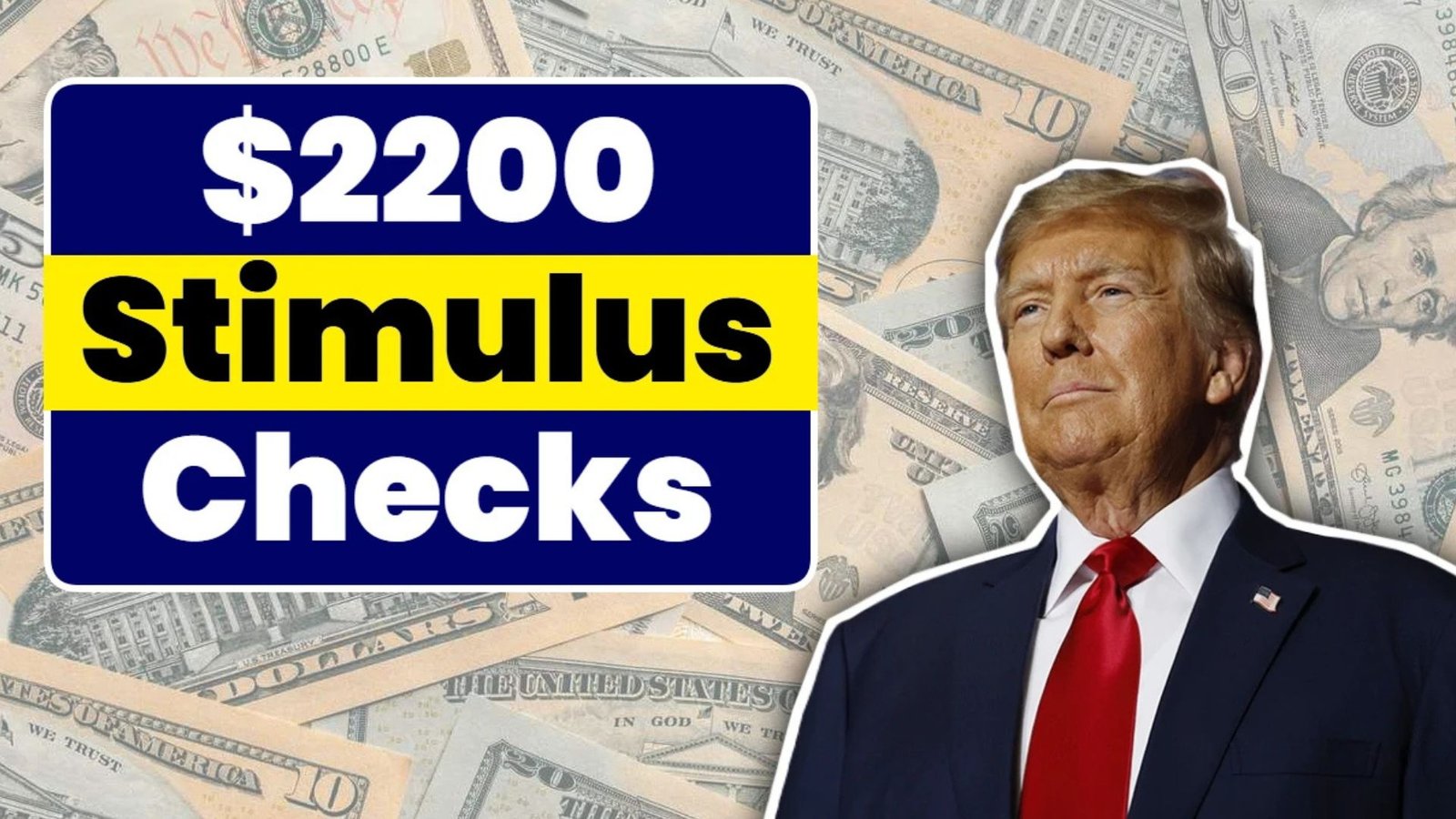
As 2024 draws to a close, online chatter about a $2,200 cash drop from the government is heating up—especially for folks like seniors, disabled people, and low-wage workers hit hard by 3%+ inflation on essentials like rent and meds. Social media is abuzz with claims of a “new stimulus for everyone,” promising quick relief via direct deposit or special cards. But let’s cut to the chase: This is another hoax, not a helping hand. The Internal Revenue Service (IRS) and Social Security Administration (SSA) have made no such announcement, and experts label it unreliable gossip recycled from old COVID aid days. Falling for it could expose you to scams stealing your info or money.
In this clear-eyed breakdown of the $2200 stimulus check 2024 rumor, we’ll sift through the fiction, highlight red flags, and spotlight genuine support options. Fine-tuned for searches like $2200 IRS stimulus eligibility debunked and stimulus payment dates 2024 fake news, we’ve kept things straightforward—no confusing terms or fluff. If you’re a retiree on Social Security, a family scraping by, or just wary of viral traps, this guide equips you to stay safe and seek real resources. Knowledge beats hype every time—let’s expose the truth.
The $2,200 Stimulus Story: Origins and Why It’s Going Viral
This buzz traces back to mid-2024 on sites like TikTok and Facebook, where short clips hype a “$2,200 one-time payment” from the U.S. Revenue Department (a made-up name—it’s actually the Treasury). Posters say it’s for pandemic recovery, targeting low-income families, disabled folks, and seniors via Economic Impact Payment (EIP) cards. Echoes of real 2020-2021 checks ($1,200, $600, $1,400) fuel the fire, but no fresh bill exists. It’s clickbait from unverified blogs chasing views, preying on economic woes like 4% grocery hikes.
Why now? Holiday stress and steady cost rises make “easy money” irresistible. Shares explode, but official channels like IRS.gov stay silent. Fact-checkers from Snopes to AARP flag it as false—no Congressional approval, no budget. Treat it like a ghost story: Entertaining, but not real.
How Rumors Evolve from Past Aid
Old programs like Supplemental Security Income (SSI) boosts or SSDI adjustments get twisted into “new checks.” But those wrapped years ago— this $2,200 twist is pure invention.
Is the $2,200 Check Legit? The Cold, Hard Facts
No dice. As of December 2025, the IRS confirms all COVID stimulus rounds are closed—no revivals or $2,200 pots. The SSA echoes: Zero new payments for “everyone.” Rumors cite unfiled 2023 taxes or income caps, but that’s smoke. Past Economic Impact Payments ended in 2021, with claim deadlines hit (like May 2025 for rebates). Treasury statements? Crickets on this amount.
High inflation (2.5-3% yearly) sparks wishful thinking, but without law, it’s zilch. Blogs peddling this often slip in scam links—avoid www.ssa.gov “claims” that demand fees. Bottom line: If it sounds too broad (“for all residents”), it’s bunk.
Myth vs. Truth: Side-by-Side Breakdown
For quick clarity, check this table pitting rumor claims against verified realities:
| Rumor Claim | Actual Truth |
|---|---|
| $2,200 one-time for all low-income | False—no new federal program; old rounds maxed at $1,400. |
| Eligibility via 2023 tax filing | No tie-in; IRS uses it for refunds, not stimulus. |
| Payments Dec. 2024-Jan. 2025 | Unconfirmed dates mean zero rollout—pure speculation. |
| Targets disabled/seniors/SSI | Real aids exist (see below), but not this lump sum. |
| Via EIP cards or direct deposit | EIP cards phased out in 2021; no revival. |
This exposes the gaps—rumors dazzle, facts deliver.
Dodging $2,200 Stimulus Scams: Essential Tips
Hoaxes hatch fraud: Fake SSA emails (“Claim $2,200—update SSN!”), calls for “verification fees,” or sites aping IRS logos. Losses hit $3B+ in 2024 for elder scams alone. They grab your Social Security Number (SSN), bank routing, or even crypto “deposits.”
Watch for: Unsolicited pushes, “limited time” threats, or non-.gov links. IRS golden rule: They send mail, never demand upfront cash or data via phone/text. Hit by one? Report to phishing@irs.gov or FTC.gov, and alert family. Freeze credit free at Equifax/TransUnion for extra armor.
Fast Scam-Spotting Checklist
Run down this list to block $2200 stimulus scam 2024 dangers:
- Origin Vibe: Official mail or IRS.gov? Okay. Random DM? Trash it.
- Data Grab: SSN/bank asked cold? Immediate no—it’s identity theft.
- Pressure Play: “Claim in 48 hours”? Scam tactic; real aid has no rush.
- Cost Catch: Fees for “processing”? IRS is always free—bail.
- Fact Hunt: Cross-check on ssa.gov or irs.gov before any click.
Stay sharp—your info’s worth more than fake promises.
Genuine Relief: What Real Help Looks Like in 2025
Skip the myth; tap these proven paths. Start with unclaimed funds: IRS.gov’s “Where’s My Refund?” uncovers forgotten 2023 credits (over $1B missed yearly).
For targeted groups:
- SSI/SSDI Recipients: Automatic COLA (2.5% for 2026) adds ~$50/month; check ssa.gov/myaccount.
- Low-Income Tax Credits: Earned Income Tax Credit (EITC) up to $7,430 via 2024 filing—free help at VITA sites.
- Senior Perks: Medicare Extra Help covers drugs (under $23K income); apply at ssa.gov.
- Disability Aids: Supplemental Nutrition Assistance (SNAP) or LIHEAP energy grants—up to $1,000; Benefits.gov.
- State Boosts: Colorado’s $800 TABOR refund or New York’s $300 renter credit—search “[state] tax relief.”
No income caps for some, like SSI (under $943/month single). File 2024 taxes early for max refunds—tools like IRS Free File handle it.
The Harm of These Persistent Rumors in 2025
Fake news like this saps hope from real battles, like pushing for SSI hikes (up $94 in 2025). It distracts from advocacy and feeds fraudsters targeting vulnerable spots. In a year of 3% cost creeps, it underscores the need for trusted info—empowering communities over chaos.